Understanding the New Career Landscape
Today's youth face a far more complex career landscape than their parents did. The journey from school to a stable job is no longer straightforward. Many teens feel unprepared for life after graduation. In fact, 72% of recent high school graduates in one U.S. survey felt only "slightly" or "not at all" prepared for their next steps (YouScience, 2022). Nearly 45% of students say they wanted more career counseling during school (Gallup, 2023).
Amid this uncertainty, parental support remains a critical influence. Research shows that when parents engage in conversations about career and education options, their children feel significantly more motivated and prepared (OECD, 2021). You don't need to have all the answers — you just need to be part of the conversation.
Start the Conversation Early (and Keep It Open)
Career planning shouldn't start in the final year of high school. Studies show that students benefit most when career conversations begin by middle school (OECD, 2021). Yet, Gallup found that one in three parents of high school seniors had not had regular discussions about their child's future (Gallup, 2023).
You can make a big difference by simply asking open questions: "What kind of projects make you excited?", "Do you prefer working with people, ideas, or tools?", or "What problems do you want to solve in the world?" These questions help kids reflect on their values — not just job titles.
Focus on Strengths, Not Just Job Titles
Instead of pushing toward a single profession, help your child explore their personal strengths and preferences. Employers increasingly look for transferable skills like critical thinking, adaptability, and emotional intelligence. According to a report by the World Economic Forum, these soft skills are now as essential as technical ones (WEF, 2023).
Encourage internships, job shadowing, or online exploration. Even part-time jobs and volunteering can help teens discover what energizes or drains them. Help them understand that career exploration is a journey — not a one-time decision.
Addressing Confidence Gaps and Biases
Parents often unintentionally pass along career stereotypes. Research shows that girls, in particular, tend to underestimate their strengths, especially in science and technology. According to OECD data, only 1.5% of 15-year-old girls aspired to work in ICT (Information and Communication Technologies), compared to 11% of boys — despite similar performance levels (OECD, 2020).
As a parent, your encouragement matters. If your daughter shows curiosity about coding or your son about caregiving, support those interests. Visibility is key — share stories of people who took unconventional paths or entered emerging fields. Exposure broadens possibilities.
Help with Decision-Making, Not Just Decisions
High school seniors often face overwhelming choices: what to study, whether to attend college, what type of job to pursue. According to the American College Health Association, 68% of college students report feeling stressed about life after graduation (ACHA, 2023). You can help by breaking big questions into smaller steps and helping them focus on gaining experience rather than choosing the "perfect" path.
Use labor market data together to compare careers, explore job growth rates, or compare earnings. But also discuss passion and meaning. Your role is not to steer, but to support — and to remind them that most people change careers multiple times.
Embracing Modern Tools for Career Discovery
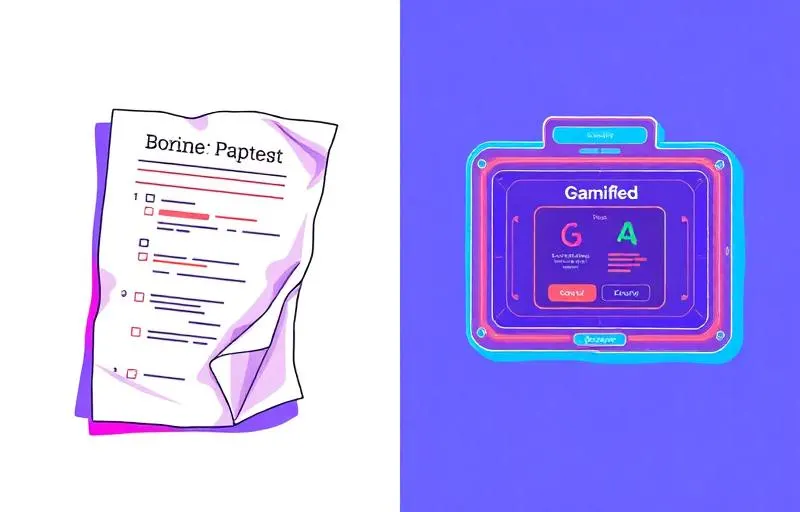
New digital tools now make career exploration more accessible and engaging. Gamified platforms, virtual internships, and AI-based aptitude tests let students discover their strengths interactively. These tools help young people better understand how their personality and skills relate to real-world opportunities.
When students see themselves reflected in feedback — whether it confirms they're a creative strategist, empathetic problem-solver, or detail-oriented builder — they're more confident exploring roles that match. Parents can amplify that impact by talking through results, reinforcing strengths, and exploring next steps together.
Final Thoughts
Parents don't need to be career experts. What your child needs most is your time, curiosity, and encouragement. By starting early, asking questions, and being open to evolving definitions of success, you'll help them navigate a career landscape that's uncertain — but full of possibility.
References
References
- American College Health Association. (2023). National College Health Assessment: Fall 2022 Reference Group Executive Summary. https://www.acha.org
- Gallup. (2023). Preparing Students for Life After High School. https://www.gallup.com/education/
- OECD. (2020). Dream Jobs: Teenagers' Career Aspirations and the Future of Work. https://www.oecd.org/education/dream-jobs-teenagers-career-aspirations.htm
- OECD. (2021). Career Ready? How Schools Can Better Prepare Young People for Working Life. https://www.oecd.org/education/career-readiness
- World Economic Forum. (2023). Future of Jobs Report 2023. https://www.weforum.org/reports/future-of-jobs-report-2023
- YouScience. (2022). Post-Secondary Readiness Report. https://www.youscience.com/resources/post-secondary-readiness-report/
Ready to experience career discovery the way it should be?
Play Talero Now