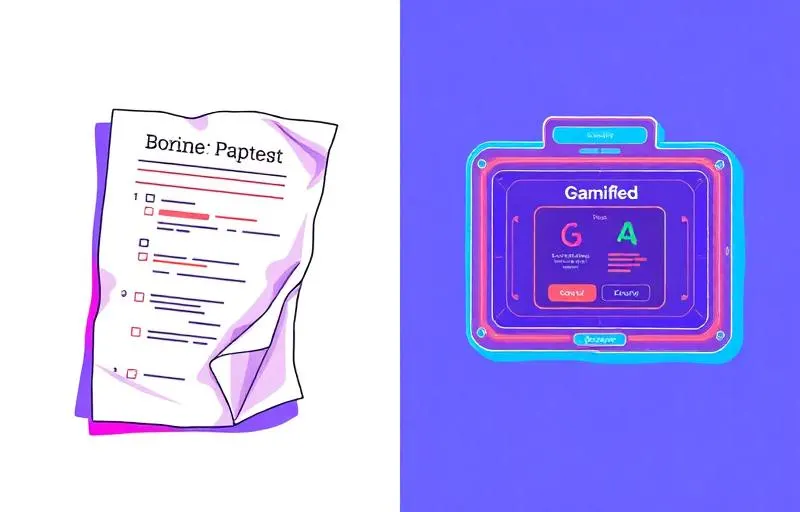
Culture fit has become one of the most talked about ideas in modern hiring. Companies want people who share their values, collaborate well, and thrive in their environment. At the same time, culture fit has gained a reputation for being vague, biased, and exclusionary. So how can organizations benefit from culture fit without reinforcing homogeneity or unfairness? The answer lies in how culture is assessed. Increasingly, companies are moving away from gut feeling and traditional interviews and toward structured, behavior-based methods, including game-based assessments such as those used by Talero.
What Culture Fit Really Means
Culture fit refers to the alignment between a candidate's values, behaviors, and ways of working and those of an organization. Supporters argue that skills can be taught, but values and mindset are harder to change.
This belief is widely shared. A Deloitte survey cited by Business.com found that 94 percent of entrepreneurs and 88 percent of job seekers consider workplace culture essential to success (Martins, 2024). Strong cultural alignment has been linked to engagement, satisfaction, and retention.
However, culture fit is often poorly defined. When hiring managers rely on intuition or personal comfort, culture fit easily turns into "people like us," which introduces bias and undermines diversity.
The Upside of Culture Fit, When Done Right
When culture fit is clearly defined and applied thoughtfully, it can deliver real value.
Engagement and Motivation
Employees who resonate with a company's mission and values tend to be more engaged. Greg Besner, founder of CultureIQ, describes values-based hiring as one of the most important drivers of early employee commitment (Martins, 2024).
Retention and Stability
Research from the Society for Human Resource Management shows that employees in positive workplace cultures are 68 percent less likely to consider leaving (SHRM, 2024). LinkedIn research similarly indicates that employees with strong cultural alignment are less likely to exit early or be terminated (Toister, 2025).
Performance and Adaptability
When expectations are clear, culturally aligned employees integrate faster and collaborate more effectively. Even candidates who do not start as a perfect match can adapt when onboarding clearly communicates norms and behaviors (Toister, 2025).
These benefits explain why culture fit remains attractive. The challenge is avoiding its darker side.
Why Culture Fit Often Goes Wrong
The most common criticism of culture fit hiring is bias.
Unconscious Bias and Homogeneity
Interviewers naturally favor candidates who resemble themselves or current team members. This can lead to homogenous teams and the exclusion of qualified candidates from different backgrounds (Kirton, 2024). Over time, such patterns reinforce inequality.
Reduced Diversity and Innovation
Homogeneous teams may feel comfortable, but they underperform. McKinsey research shows that companies in the top quartile for racial and ethnic diversity are 35 percent more likely to outperform peers financially, while gender diverse companies outperform by 15 percent (Hunt et al., 2015).
Poor Candidate Experience
Rejecting candidates for "culture fit" without explanation is opaque and frustrating. Candidates invest significant time in interviews, and vague feedback damages trust and employer brand (Kirton, 2024).
These concerns have driven a shift toward more inclusive alternatives.
From Culture Fit to Culture Add
Many organizations now emphasize culture add rather than pure fit. Instead of asking whether someone blends in, they ask what new perspectives, skills, or experiences that person brings.
Ruchika Tulshyan argues that leaders should identify gaps in their teams and hire people who expand, rather than replicate, the existing culture (Tulshyan, 2022). Culture add reframes difference as value, not risk, while maintaining shared principles and standards.
However, adopting culture add still requires a fair way to assess values and behaviors. This is where new assessment methods come into play.
How Game-Based Assessments Change Culture Fit Hiring
Assessing culture fit fairly and inclusively requires moving beyond hypothetical interview questions. Talero's game-based assessment platform illustrates how this can be done in practice.
Instead of asking candidates how they would behave, Talero immerses them in realistic workplace simulations, such as managing a team discussion or solving project challenges. Hiring teams observe decision making, communication, and problem solving directly in context. As Talero explains, this approach "observes behavior… making visible how someone makes decisions, solves problems or reacts to social situations" (StartupValley News, 2025).
Industry research confirms that well-designed game-based assessments can reveal soft skills such as teamwork, adaptability, and communication more effectively than traditional interviews (Accendo Technologies, 2025; PerspectAI, 2025).
Reducing Bias Through Standardization
One of the strongest advantages of game-based assessments is standardization. Every candidate faces the same challenges under the same conditions, shifting evaluation away from language fluency, charisma, or cultural familiarity.
PerspectAI notes that these assessments create a standardized environment where objective metrics, such as decisions made or completion paths, replace subjective impressions. This aligns with guidance from the CIPD, which emphasizes that clear, structured, and transparent processes are fairer and support more diverse talent pools (CIPD, 2024).
Talero's design further reduces bias by relying on minimal language and visual instructions, allowing international candidates and non-native speakers to demonstrate their abilities without disadvantage.
Transparent, Behavior-Based Feedback
Another key strength of Talero's approach is transparency. After gameplay, AI analyzes in-game decisions and produces narrative reports linking observed behaviors to strengths and traits. Users can clearly see which insights are derived from specific actions (StartupValley News, 2025).
For example, calm conflict resolution highlights social intelligence, while systematic problem solving indicates analytical strength. Talero bases these insights on established psychological models such as the Big Five, IQ, and EQ, and explicitly labels AI-generated content. This avoids black-box scoring and allows hiring managers to understand why a candidate shows certain traits.
Supporting International and Underrepresented Talent
Traditional interviews often disadvantage skilled migrants and underrepresented candidates due to language, accent, or unfamiliar cultural norms. Behavior-based assessments help level the playing field.
Research shows that inclusive hiring processes can uncover "hidden" talent that might otherwise be overlooked (CIPD, 2024; Recruitee, 2025). Game-based assessments have helped recruiters identify strong candidates who would not have progressed through conventional interviews due to unconscious bias (Equalture, 2025).
With Talero, a highly skilled professional new to a country can demonstrate teamwork, responsibility, and problem solving directly through actions, not verbal performance.
Building a Fair Culture-Focused Hiring Process
Talero fits naturally into structured hiring workflows. Candidates can complete game-based assessments early in the process to evaluate values and behaviors objectively. Structured interviews can then focus on clarifying strengths and gaps identified in gameplay.
As Recruitee notes, when every candidate completes the same assessment, each person truly has an equal opportunity to showcase themselves (Dinnen, 2025). This data-driven approach anchors culture fit in evidence rather than instinct.
Final Thoughts
Culture fit is not inherently flawed, but the way it is assessed often is. When culture fit relies on intuition and similarity, it reinforces bias and limits diversity. When it is grounded in clear values, structured processes, and observable behavior, it becomes a powerful tool for building strong, inclusive teams.
Game-based platforms like Talero demonstrate how culture fit can evolve from a risky concept into a fair, transparent, and behavior-based practice. The future of hiring is not about choosing between culture and diversity. It is about measuring culture in ways that allow both to thrive.
References
- Accendo Technologies. (2025, January 6). Top 10 game based assessments for recruitment and hiring. https://accendotechnologies.com/blog/top-10-game-based-assessments-for-recruitment-and-hiring
- CIPD. (2024). Inclusive recruitment: Guide for people professionals. https://www.cipd.org/en/knowledge/guides/inclusive-recruitment
- Dinnen, M. (2025, November 1). Why we need unbiased hiring right now. Recruitee. https://recruitee.com/blog/why-we-need-unbiased-hiring-right-now
- Hunt, V., Layton, D., & Prince, S. (2015). Why diversity matters. McKinsey & Company. https://www.mckinsey.com
- Kirton, K. (2024, October 20). Challenging "culture fit" in hiring. Medium. https://karen-amplifyhr.medium.com
- Martins, A. (2024, November 27). Why it's important new hires fit a company's culture. Business.com. https://www.business.com
- Society for Human Resource Management. (2024, March 1). Employees with a positive employee experience are 68 percent less likely to consider leaving [Press release]. https://www.shrm.org
- StartupValley News. (2025, December 12). Talero zeigt Potenziale durch spielerische Entscheidungen. https://startupvalley.news/de/talero-zeigt-menschen-mit-ki-neue-wege-der-selbstentdeckung
- Toister, J. (2025, July 8). Study: Culture fit predicts retention and promotion. LinkedIn. https://www.linkedin.com
- Tulshyan, R. (2022, March 15). Don't hire for culture fit. McKinsey & Company. https://www.mckinsey.com
Ready to experience career discovery the way it should be?
Play Talero Now